


Are you placing your SKUs at the Right Outlet? Think Again
by Mehak Jaggi
March 13 2025 | 08 min read
Share:
With 100s of SKUs and multiple outlets to reach with varying pack sizes, the challenge lies in navigating this maze effectively. How do you conquer it? Let’s address three key questions:
- What are the population estimates and their purchase behaviours near a retail outlet?
- Which outlets in a specific beat/geography will maximise ROI for asset placement?
- How can the ideal SKU type and pack size be determined for a location?
FMCG brands base their product and asset placement decisions on several factors, with consumer behaviour playing a pivotal role in shaping their go-to-market strategy.
Decoding Population Types & Their Buying Behaviours
The way people shop is deeply influenced by where and how they live. Broadly, populations can be categorised into two types:
1. Residential Populations Residential populations are individuals living at their primary residence, where they spend their non-work hours. Their consumption behaviour drives the development of housing societies, buildings, grocery stores, supermarkets, and convenience stores. Key buying habits include:
- Planned & Predictable: Purchases focus on groceries, homecare, and everyday staples such as flour, vegetables, and large packs of detergents.
- Outlet Loyalty: Familiarity and trust in local kirana stores encourage repeated visits for regular purchases.
For these consumers, FMCG brands typically prioritise large-pack SKUs, family-sized portions, and subscription-based offerings. Ensuring consistent stock availability in both modern trade and kirana stores is crucial.
2. Transitory Population
This group includes working professionals, students, tourists, and seasonal migrants who frequently move between locations. Their buying behaviour is characterised by:
- Impulse-Driven Purchases: They often buy need-based items on the go, such as a pack of cigarettes, small packets of crisps, or chewing gum.
- Preference for Convenience: Quick-service stores and vending machines are popular with these consumers.
- Openness to New Products: They have a higher willingness to try trial packs and new brand experiences.
For transitory populations, brands focus on single-serve packs, on-the-go snacks, and convenience-driven packaging. Building presence in high-footfall areas like railway stations, metro hubs, and airports is critical.
Maximising ROI from Asset Placement
Visi coolers and vending machines represent significant investments for FMCG brands—often costing over a lakh each, plus ongoing maintenance. They serve as both sales channels and promotional assets.
Before placing an asset, brands evaluate factors such as:
- Footfall Density: Identify high-traffic zones across urban, semi-urban, and rural areas to position assets strategically.
- Store Clusters: Evaluate not just the number of retail outlets but their proximity to different population types. Mapping store locations against residential, transit, and business hubs optimises asset ROI.
- Infrastructure Growth: Monitor new residential projects, malls, or tech parks to anticipate demand shifts and plan proactively.
Traditional market research relies on sales data and surveys and it lacks details of the above data points and often lacks real-time insights as well.
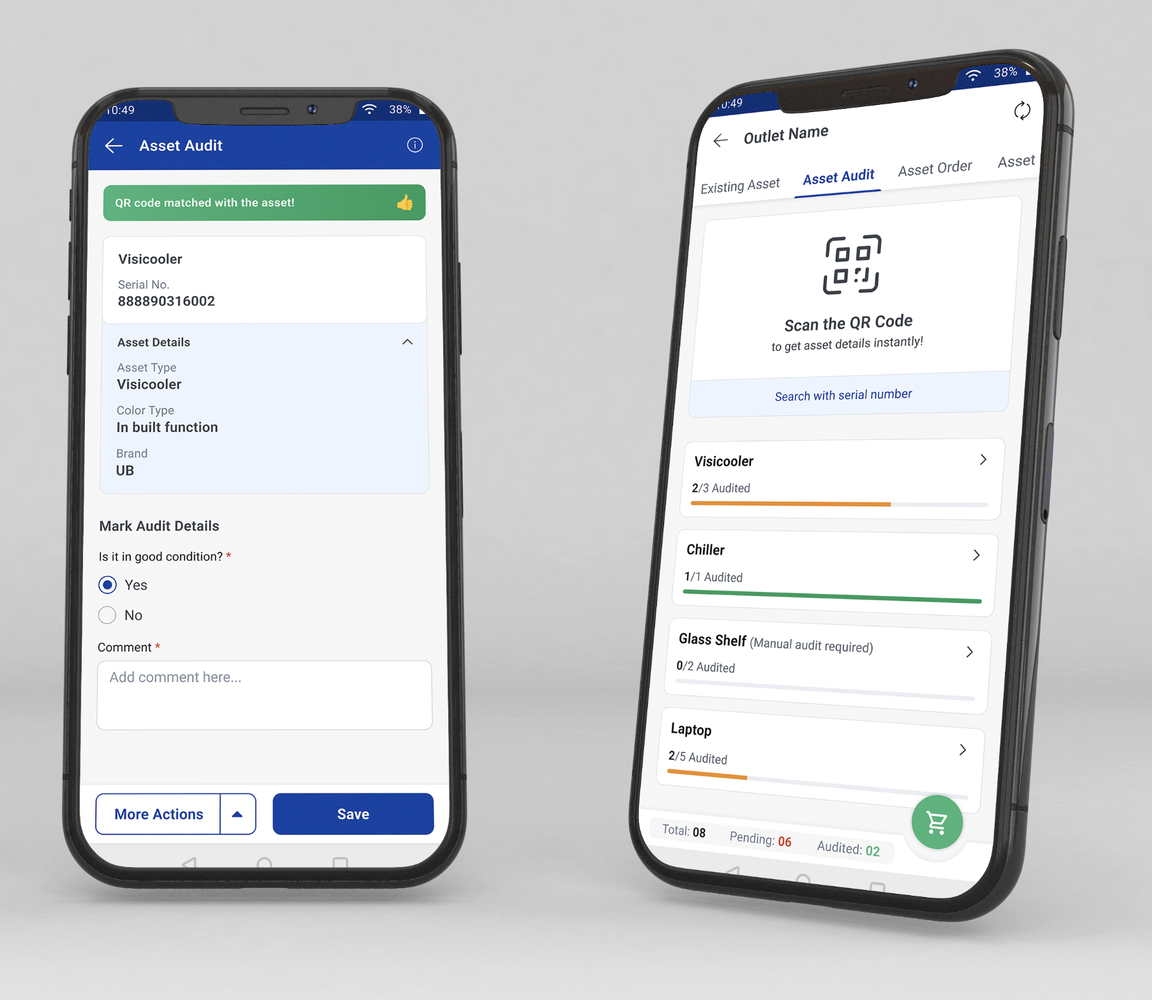
That’s where Real Intelligence comes into play, which is integrating AI with human insights. With a network of over 8 million outlets and 1,50,000 on-ground sales professionals, Bizom’s accurate and structured data helps track demographic shifts in buying behaviour. The use of satellite imagery adds a third dimension in understanding population concentration and buying behaviour before we help place assets in the right stores, track their maintenance and maximise ROI.
Local Intelligence is Real Intelligence
Consumption Patterns and SKU Placement
Location intelligence also enables FMCG companies to conduct detailed community profiling by analysing demographic, socioeconomic, and psychographic data. This segmentation allows brands to tailor their products, pricing, and distribution for higher market penetration. Factors influencing buying behaviour include population type, age, affluence, and infrastructure development. For example:
- 80% of rural consumers prefer smaller packs due to affordability, while 70% of urban buyers opt for bulk packs for cost efficiency.
- In low-income regions, sachets account for over 60% of sales in personal care categories.
- Premium product penetration is 3x higher in metro cities compared to Tier 3 towns, necessitating SKU adjustments.
These insights empower brands to optimise SKU placement and management strategies to maximise reach and profitability. Additionally, detailed area data helps in
- Predicting seasonal demand shifts and pre-position SKUs accordingly.
- Monitoring underperforming outlets and managing upsells or crosssells to optimise sales.
- Forecasting product demand based on historic data and demand analysis.

At Bizom, our approach goes beyond traditional data models. We integrate AI with on-ground intelligence from the largest network of retailers, distributors, and sales professionals to deliver a single source of truth. This multi-layered validation enhances our understanding of market potential and SKU placement like never before. The future of retail isn’t just about reaching consumers; it’s about reaching them at the right time, in the right place, and with the right product. Ready to take your market expansion to the next level?