

Creator to Consumer (C2C): A New Gateway for Indian FMCG Brands?
by Aftab Sheikh
Feb 13 2025 | 04 min read
Share:

“A billion-person focus group.” That’s how Abercrombie & Fitch’s chief product officer, Corey Robinson, described TikTok, highlighting how brands now rely on social media to shape product development.
While TikTok may not be in India, platforms like YouTube, Instagram, and Moj are driving a similar shift.
The rise of direct-to-consumer (D2C) models has helped some brands build relationships with their customers, but even these struggle with high customer acquisition costs and retention challenges. This raises an important question:
How can FMCG brands in India create a more engaging, trust-driven shopping experience while improving conversions?
Visualising the Impact


What We Know So Far
Globally, creators have played an instrumental role in shaping consumer choices through promotions. However, the process has been fragmented—creators promote on social media, but purchases happen elsewhere. This results in a disconnect, leading to lost conversions and missed opportunities.
New-age platforms are bridging this gap by allowing creators to build their own storefronts, where storytelling meets commerce. These platforms empower influencers to curate product selections, host live streams and engage with audiences in real-time, effectively becoming the new-age ‘digital kiranas’—personal, familiar, and deeply trusted.

In India, where influencer culture thrives, this model has the potential to reshape FMCG retail. Platforms like Meesho, which has over 140 million users and has enabled small businesses to sell products via social commerce, are already leading the way. Even global giants like Nykaa, which leverages beauty influencers to drive sales, have shown how social commerce can drive engagement and conversions.
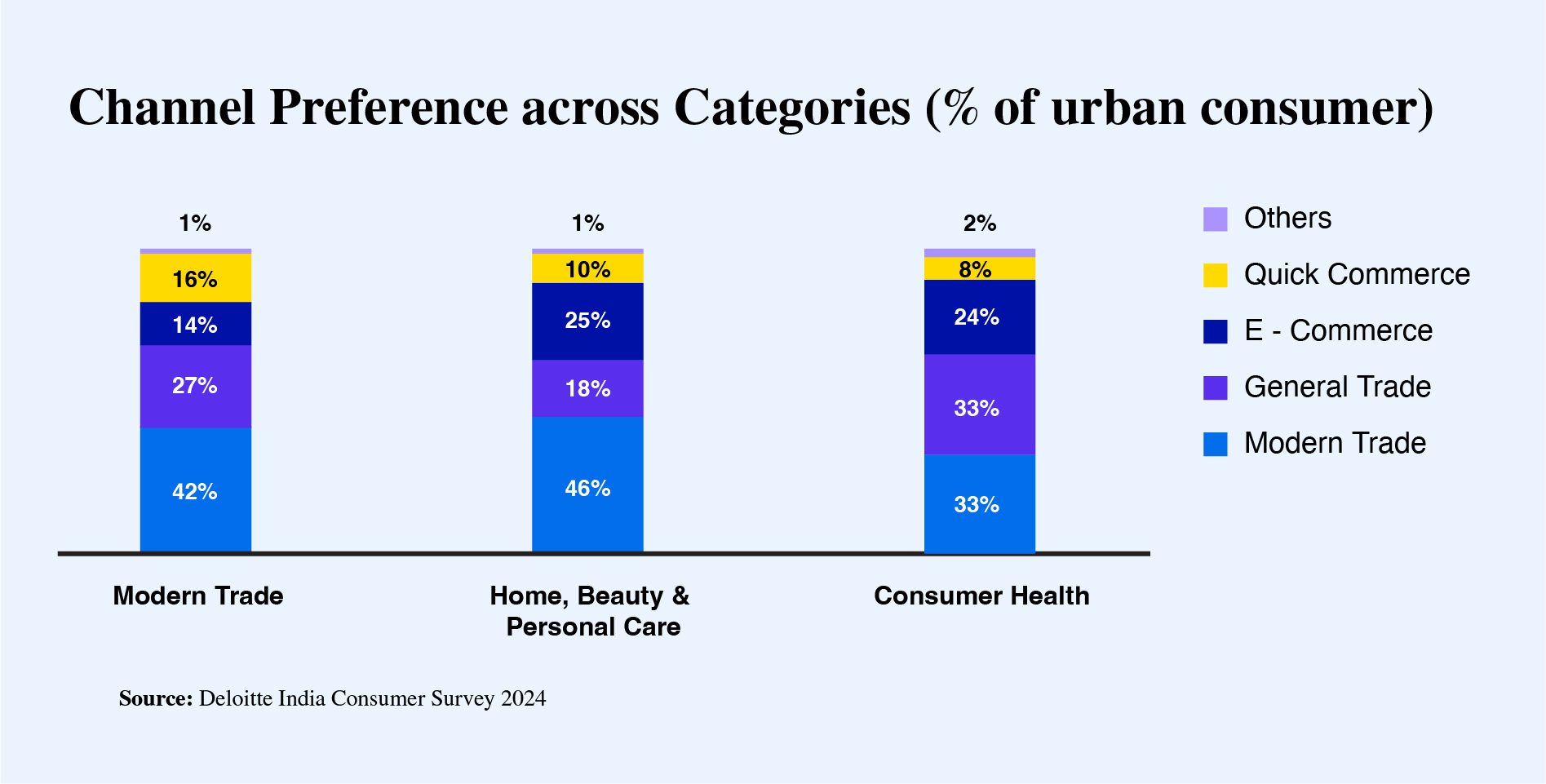
Relevance to FMCG Brands
A recent report from Bain & Company highlighted that 70% of online shoppers in India discover products through social media influencers. Additionally, 23% of Gen Z and millennials prefer buying directly from influencers, reinforcing the need for brands to rethink their digital commerce strategies.
For FMCG brands, C2C commerce presents an opportunity to:
- Enhance discoverability in a crowded marketplace.
- Leverage trusted voices to drive product adoption.
- Improve conversion rates through seamless storytelling-led shopping experiences.
- Reduce dependence on traditional ecommerce platforms that charge high commissions and offer limited differentiation.
Take the example of Mamaearth, an Indian D2C personal care brand that scaled from ₹17 crore in FY19 to over ₹1,400 crore in FY23. A major contributor to its success was its early adoption of influencer marketing and social commerce, with over 5000 micro-influencers driving product awareness and consumer trust.

Why This Shift is Happening Now
A deeper look into the market reveals several driving forces behind this transition:
- Ecommerce Fatigue: Consumers are overwhelmed by excessive product options and lack of personalisation.
- Trust Deficit: Indian shoppers, especially in tier 2 and tier 3 cities, rely on word-of-mouth and familiar faces before making a purchase.
- Influencer Power: The rise of micro-influencers, regional content creators, and vernacular platforms has strengthened the bond between creators and their audiences.
Platform Evolution: Companies are developing robust solutions to help creators monetise their influence, making the model financially sustainable for all stakeholders.
The Future of C2C in Indian FMCG
Creator-to-Consumer commerce has caused a fundamental shift in how consumers discover and buy products. With the right strategy, Indian FMCG brands can tap into this movement, creating a powerful, trust-driven channel for growth.
Brands like WOW Skin Science, which saw a 3x increase in sales after partnering with creators for live shopping experiences, showcase the potential of C2C commerce.
The question is no longer if brands should embrace C2C, but how fast they can adapt before competitors take the lead.