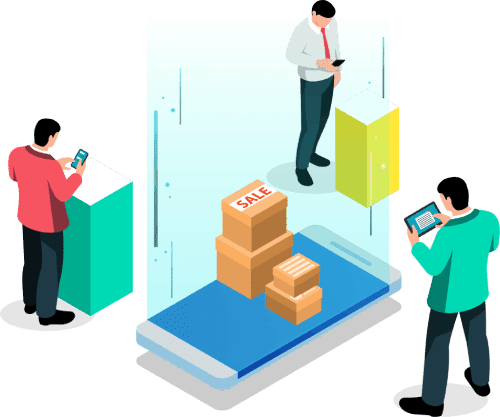
Add new business prospects with ease to the existing universe for market expansion and capture the minutest of information of the potential client with outlet verification.
Sales Force Automation, often referred to as SFA, is a technology-driven solution designed to streamline and enhance various aspects of the sales process. From order management to customer relationship nurturing, SFA software empowers the sales team with tools that automate routine tasks, optimise workflows, and provide valuable insights.
What is Sales Force Automation (SFA) software used for?
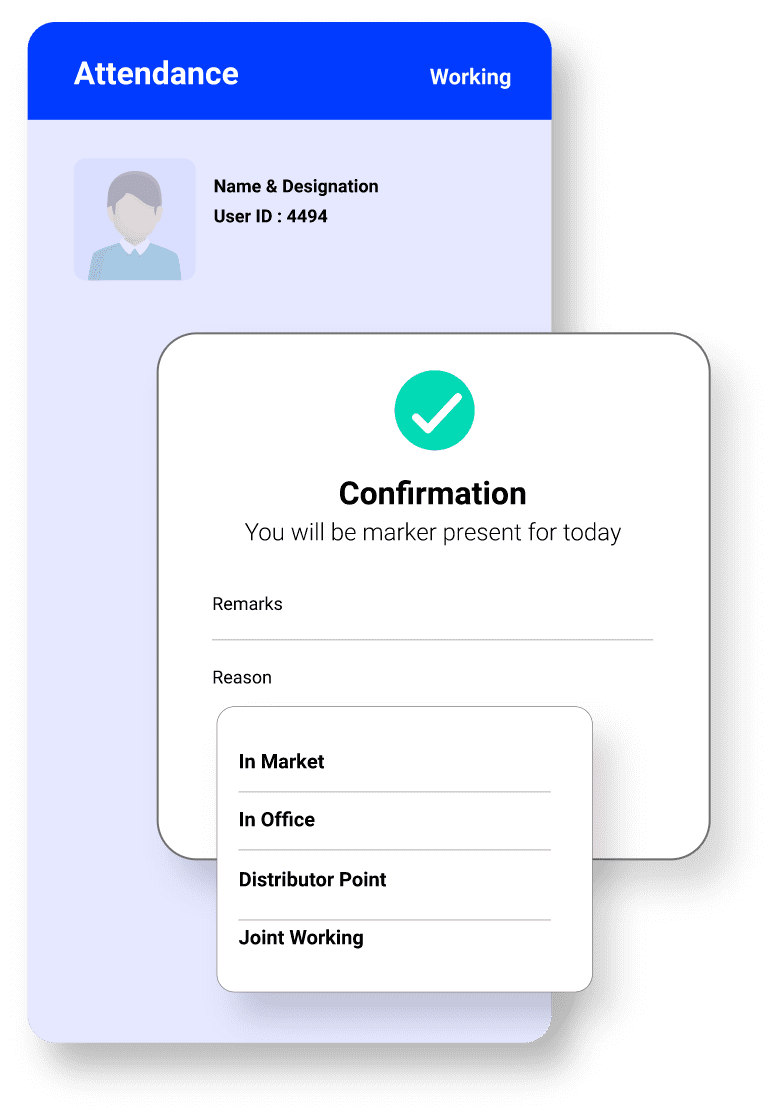
Sales Force Automation software is used by salespersons in the market to perform their daily operations, such as capturing orders, returns, merchandising, and BTL (below-the-line) activities, punching claims, and many more. It serves as an aid for the field force to maintain and capture data with the click of a button. Additionally, it provides retail and SKU (stock-keeping unit) level insights to empower them to increase their productivity.
What are the benefits of Sales Force Automation in business?
Enhanced Efficiency: Sales Force Automation reduces manual data entry and automates repetitive tasks, allowing your sales team to focus on building relationships and closing deals.
Improved Sales Forecasting: With data analytics and reporting capabilities, Sales Force Automation helps you make informed decisions by providing accurate sales forecasts and insights into trends.
Optimised Lead Management: Sales Force Automation software categorises and prioritises leads, ensuring that your sales team spends time on leads that are most likely to convert.
Personalised Customer Interactions: Sales Force Automation software stores valuable customer data, enabling your team to tailor interactions and offers based on individual preferences and needs.
Real-Time Collaboration: Sales Force Automation fosters collaboration among team members, making it easy to share information, updates, and strategies in real time.
How to choose the right Sales Force Automation solution?
When selecting a Sales Force Automation (SFA) solution for your business, consider the following factors:
Features: Look for features that align with your specific business needs, such as lead tracking, reporting, mobile accessibility, and integration with existing tools.
Scalability: Choose a Sales Force Automation solution that can grow with your business, accommodating increasing data volumes and user demands.
User-Friendly Interface: An intuitive and user-friendly interface ensures that your team can quickly adapt to and maximise the benefits of the Sales Force Automation software.
Customisation: Opt for a Sales Force Automation solution that allows customisation to match your unique sales processes and workflows.
How to implement Sales Force Automation software successfully?
Training: Ensure proper training for your sales team to effectively use the Sales Force Automation software and fully utilise its features.
Data Integrity: Regularly update and maintain your data to ensure accurate insights and reliable reporting.
Continuous Improvement: Monitor the performance of the implemented Sales Force Automation technology and make necessary adjustments to enhance results.
What are the features of Sales Force Automation?
Sales Force Automation comprises several key features that work together to streamline sales processes and improve efficiency. These components include:
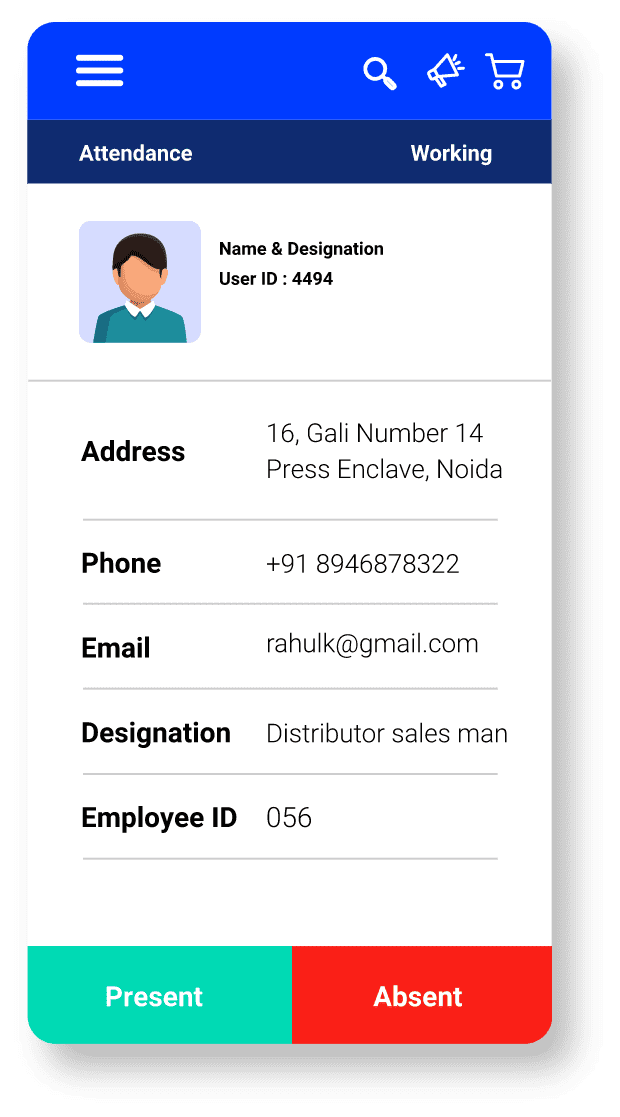
Retailer Information:Organising and maintaining retailer information.
Order Management: Managing sales opportunities, forecasting, and tracking order progression.
Sales Forecasting: Predicting future sales based on historical data and current trends.
Merchandising Activities: Capturing retail and below-the-line (BTL) activities.
Inventory Management: Monitoring and managing stock levels to prevent stockouts or overstocking.
Reporting and Analytics: Providing insights into sales performance, trends, and achievement.
Claims Management: Uploading and settling claims for expenses.
What are the challenges in Sales Force Automation?
While Sales Force Automation offers numerous benefits, some challenges include:
Resistance to Change: Getting sales teams to adapt to new technology and processes.
Data Quality: Ensuring accurate and up-to-date data entry for reliable insights.
Integration Complexity: Integrating Sales Force Automation software with existing systems like CRM or ERP.
Customisation: Tailoring the Sales Force Automation solution to match unique business processes.
User Adoption: Ensuring that all team members use the software effectively.
Training: Providing proper training for efficient use of the Sales Force Automation tools.
What is the difference between Sales Force Automation (SFA) and CRM?
Sales Force Automation (SFA) and Customer Relationship Management (CRM) are related but serve different purposes:
SFA: Focuses on digitalising sales processes, including primary and secondary order taking, sales returns, inventory management, claims settlement, and merchandising activities.
CRM: Encompasses a broader scope, managing customer interactions across various touchpoints, including sales, marketing, and customer service.
Who are the users of Sales Force Automation (SFA) software?
Sales Force Automation software is typically used by salespersons, Area Sales Managers (ASMs), Regional Sales Managers (RSMs), Tertiary Sales Managers (TSMs), and National Sales Managers (NSMs). It helps the sales team perform ground execution more efficiently.
Want to know how retail intelligence works?
Talk to our experts and book a virtual demo to see how Bizom empowers global supply chains.