Premiumisation, Convenience, and Shrinkflation: FMCG’s Evolving Landscape
by Nisha Panjabi
Nov 28 2024 | 03 min read
Share:
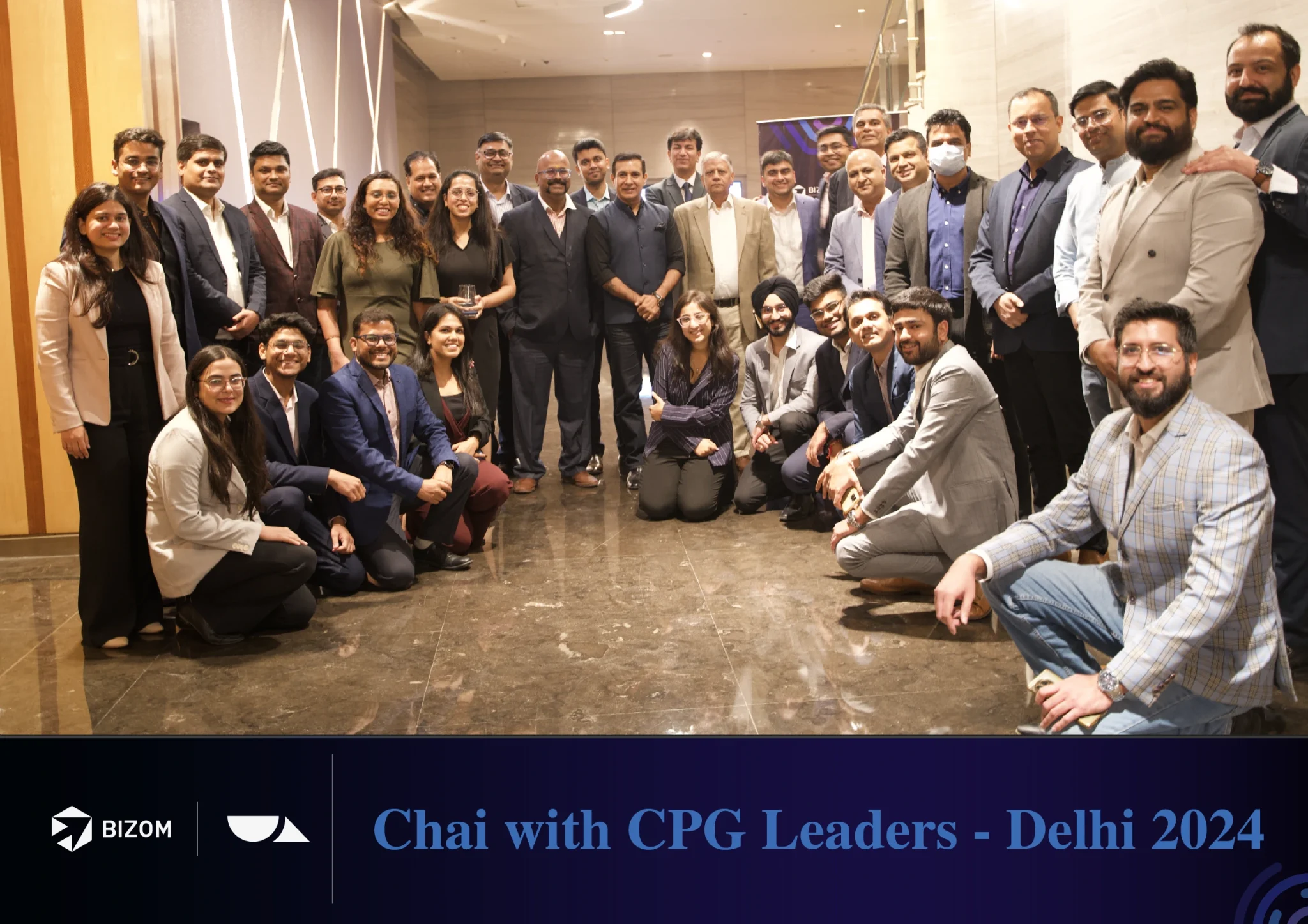
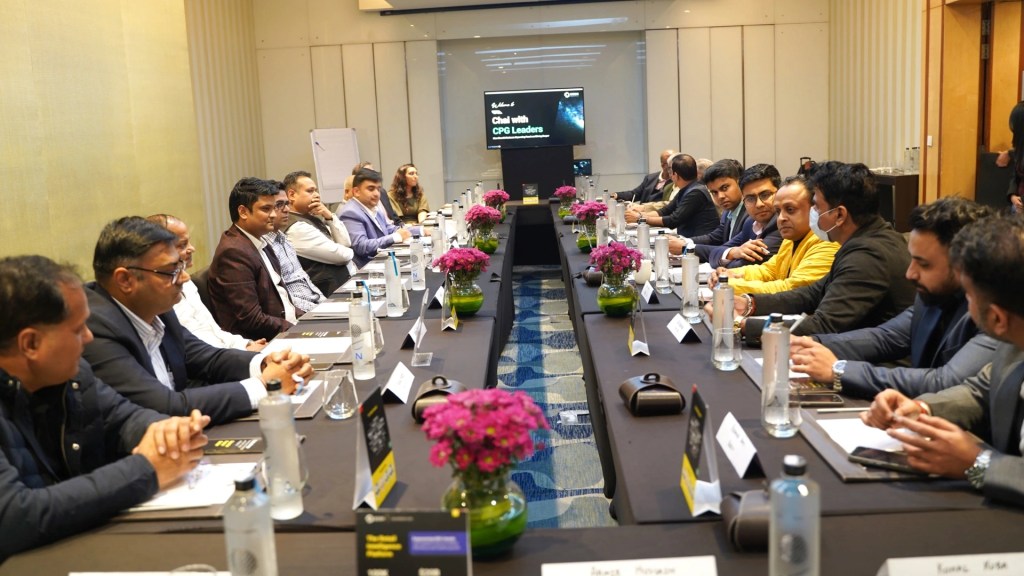
The latest edition of Chai with CPG Leaders was hosted at Novotel, New Delhi, bringing together the best minds in India’s FMCG sector to discuss New Growth Horizons: Expanding Reach and Diving Deeper. The gathering explored critical themes such as market expansion strategies, growth impediments, and success catalysts. Here’s a detailed look at the conversations that unfolded during this insightful confluence.
Decoding Growth: Lessons from the Field
Growth, while promising, often faces hurdles. Leaders at the event identified key impediments and catalysts shaping today’s FMCG landscape:
- Balancing Horizontal and Vertical Growth: The importance of adopting a “T-Model” approach was discussed by our esteemed panellist Dharmendra Singh (Ex- Parle Agro & Amul), where businesses focus on horizontal growth (expanding reach across geographies and customer segments) while simultaneously going vertical (deepening their market penetration with enhanced offerings and stronger partnerships). This approach ensures scalability and sustainable growth.
- Shrinkflation’s Impact: Souvik Sinha Roy, Associate Director-Growth & Transformation at PepsiCo touched upon the phenomenon of shrinkflation, a subtle yet significant trend, reducing product size while maintaining price, was explored. Sachetisation drives 40-45% of FMCG sales but faces criticism for potentially leaving consumers wanting more. While for Rural Rs 5 is still an important price point, especially in the impulse category but companies are also fearful of losing out on consumers if the size is too small.
- Premiumisation in FMCG: Suraj Makol, Senior General Manager at KRBL Ltd quoted that the market share of packaged premium rice is 70% in India. The growing demand for premium packaged goods, like high-quality rice and health-centric oils, is reshaping consumer preferences. Consistency in quality is emerging as a critical differentiator for brands to command loyalty.
- Modern Trade Resilience: Despite the rapid rise of quick commerce, 40% of urban consumers continue to shop through modern trade channels,” noted CK Sharma, Head of Sales Excellence at Orion. He emphasised that experiential shopping has become a major driver, with consumer behavior changing more in the past two years than in the previous decade. This trend underscores a shift toward valuing in-store experiences and personalized services, even as convenience-driven models gain traction. Globally, the modern trade market is projected to grow by over 4.25% annually, further validating its enduring relevance in the retail ecosystem.
These learnings set the stage for an even bigger question, how should brands strike the right balance between expanding their footprint and deepening their market impact?
Navigating Growth: Expand or Deepen?
As brands aim to strike the delicate balance between growth and impact, leaders at the event delved into strategies for navigating this complex equation:
- Urban vs. Rural Growth: While urban markets, driven by modern trade, are contributing significantly to revenues with 40% of urban consumers favoring in-store experiences, rural markets hold immense untapped potential. Yet, a key question emerges: Are health-centric FMCG offerings still confined to urban areas, or is rural India evolving to prioritise health over price?
- Convenience and Affordibility Tie Up: On-the-go consumerism is redefining price points as consumers increasingly value convenience and premium experiences. Brands are challenged to innovate to meet these rising expectations without compromising affordability. Fast paced rural FMCG growth is an ultimate testament to this claim, as the rural consumers not only prefer variety before calling it a deal, but also want to ensure the accessibility of these essentials at their doorstep.
- Retailer Collaboration for Growth: Moving beyond mere transactions, brands must embed their values into retailer partnerships, ensuring shared growth and deeper connections in existing markets. Himanshu Chaddha, MD Aaryanveda Herbals also highlighted growth often lies in identifying overlooked gaps and untapped opportunities within the market. By identifying these blind spots, brands can carve out new opportunities for both penetration and expansion. Beyond filling these gaps, brands must also focus on the value they bring to their channel partners, whether through better margins, streamlined processes, or shared growth strategies.
All the insights, fueled by caffeine and the debate over growth strategies, converged into actionable ideas, guiding top brands to claim their front-row position in the industry.
Growth Strategies to Bookmark
Several growth stories shared by our panellists provided a roadmap for brands looking to expand their horizons:
Several growth stories shared by our panellists provided a roadmap for brands looking to expand their horizons:
- Transforming from a single-purpose product to a multi-dimensional brand can open new avenues. For instance, Saurabh Gupta, Group CIO, Livpure said, Kent RO evolved from a water purifier to a health-centric solution highlighting how technology can align with broader aspirations.
- Himanshu Chaddha MD, Aaryanveda Herbals emphasised on identifying market gaps and leveraging missed opportunities are often the keys to success. The most significant growth leaps often come from bold decisions rather than linear paths.
- Dharmendra Singh, Ex-VP Sales at Parle Agro and Ex-Amul, reaffirmed that rural growth will essentially be built upon affordability, with Rs. 5 and Rs.10 price points still dominating impulse categories. Building a mindset shift through compelling narratives and brand stories is equally critical, as rural consumers are gradually transitioning to quality-conscious purchasing. With rural FMCG markets contributing to around 35% of overall FMCG sales, brands must focus on creating relatable stories and value-driven products to unlock this potential
The FMCG industry is at a pivotal moment where collaboration, innovation, and Real intelligence are driving the next growth phase. Technology is a crucial enabler, but its success depends on solving meaningful problems and adding tangible value to all stakeholders.
At Bizom, we are committed to empowering brands to expand wide and deep in the market. Events like Chai with CPG Leaders reaffirm our belief in collaboration as the key to unlocking new horizons.
What’s Brewing Next?
As we continue to partner with India’s leading FMCG players, we’re excited to share more insights, tools, and strategies to help brands grow smarter. Stay tuned for more updates from Bizom as we chart the course for the future of FMCG.